
Window Orientation Guide
North-Facing Windows
North-facing windows receive consistent, indirect light throughout the day. Lighter glass colors and geometric patterns work well here, creating subtle refractions without overwhelming the space.
South-Facing Windows
South-facing windows receive the most direct sunlight. Deeper colors and bold patterns create dramatic light effects, casting vibrant patterns across interior surfaces during peak daylight hours.
Color Recommendations

East-Facing
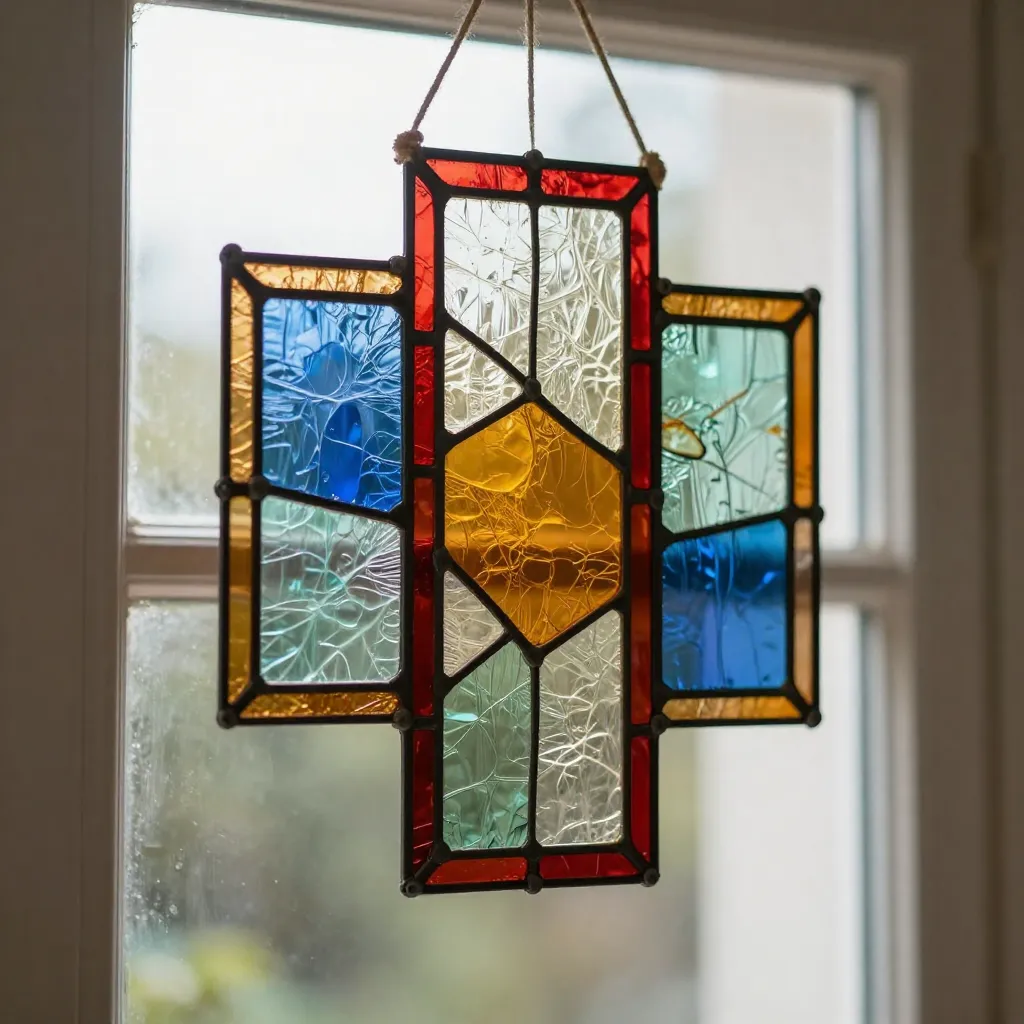
Morning light benefits from warm tones and soft pastels. Amber, gold, and light green glass pieces create gentle morning illumination.

West-Facing
Evening light works well with deep blues, purples, and warm reds. These colors intensify as afternoon transitions to evening.

Mixed Orientations
Rooms with multiple window directions can accommodate varied color palettes, creating different light effects throughout the day.
Placement Considerations
Practical Guidelines
Consider the room's primary use when selecting placement. Bedrooms may benefit from softer morning light effects, while living spaces can accommodate more dramatic midday patterns. The distance from the window and height of placement also influence how light patterns are cast throughout the room.